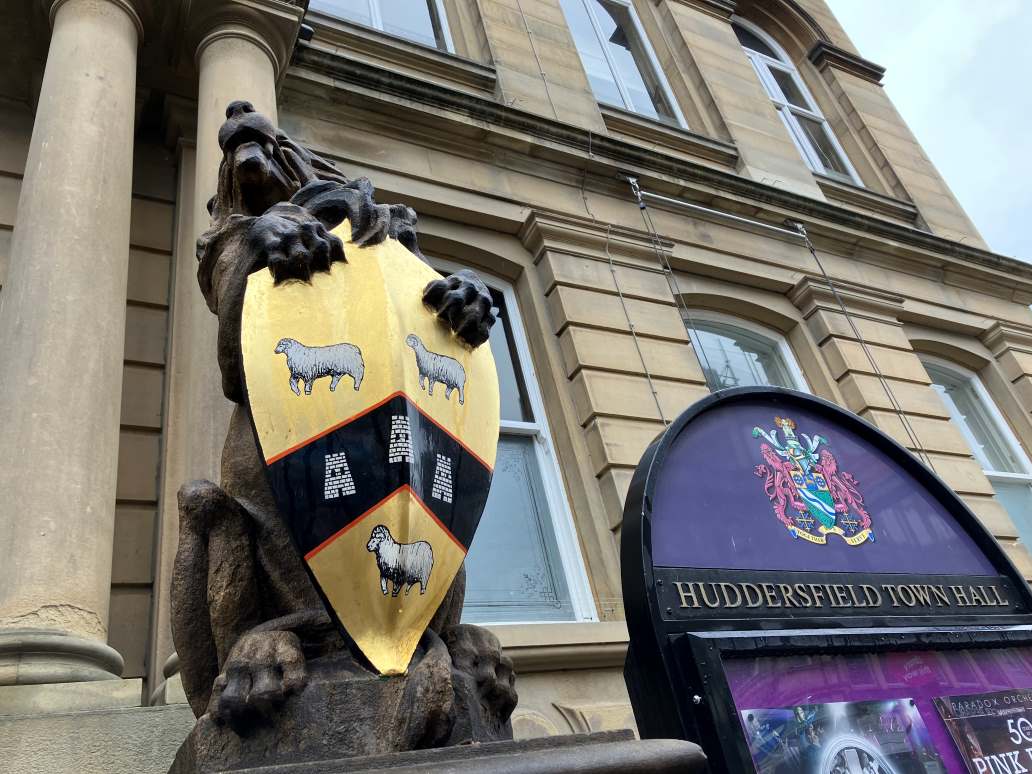




Kirklees Council must urgently plug a £24 million hole in its budget for next year – but there may be some slight relief for council taxpayers.
The council’s latest budget strategy update reveals that council finances have taken another hit and that cuts or savings must be “brought forward at pace” to avoid effective ‘bankruptcy’.
The council is again being hit by spiralling demand for children’s services and adult social care and an extra £27 million is needed for 2027-28.
While the report to next week’s Cabinet outlines a worsening of the council’s financial position, there is also mention of limiting the increase in council tax from next April.
For each of the last four years Kirklees has raised council tax by the maximum allowed by the Government, 4.99%.
But the report to the new Reform UK administration suggests that the Cabinet may be looking at limiting the council tax rise to 3.99%.
The report says that officers are “working up proposals that incorporate a reduction in the assumed council tax increase (4.99%).”
It adds: “Reducing council tax income assumptions will have the knock-on effect in increasing the budget gap (and hence the savings targets).
“As a guide, a 1% reduction in the council tax increase would result in a £2.7 million increase to the budget gap/savings requirement in 2027-28.”
The report says over the next few years the council will have to make some “very difficult decisions” which could mean reductions in services or some services being stopped altogether.
The report also warns that jobs are at risk and adds: “There is an expectation that savings proposals…will inevitably include reductions in staffing levels within the council.”
The council has used some of its cash reserves in the current financial year to shore up its finances but still has a projected overspend of £13.6 million. There’s a warning that cash reserves could fall to concerning levels.
Senior officers have already put restrictions on spending. Recruitment for vacant posts requires sign-off by the executive leadership team; overtime and agency spend is being reviewed; and only ‘essential’ spend for the delivery of services is allowed.
The council is also looking at how much it spends on big projects to reduce capital financing costs and is also “accelerating the sale” of land and property to bring in cash and save money on operating costs.
The report says: “Whilst these actions are having some effect in helping to mitigate the council’s financial position, it is evident that these actions need to go further and quicker to reduce the in-year overspend and the potential impact on reserves.
“This may include the cessation of all but priority expenditure (limiting spending to maintaining health and safety, meeting statutory service requirements, fulfilling contractual obligations, preventing further costs and to helping generate income).
“In the view of the Service Director Finance, these actions remain necessary to avoid the need to issue a report under Section 114 of the Local Government Finance Act 1988.
“The need to issue such a report will remain under constant review depending on the success or otherwise of the implementation of the actions set out above and taking into account whether the difficult decisions that will need to be made to set the 2027/28 budget are being addressed.”
Section 114 of the Local Government Finance Act 1988 is a legal duty requiring a council’s chief finance officer to report a balanced budget shortfall. It is often referred to as a “bankruptcy notice” though councils can’t legally go bust.


A report to Cabinet also asks for the remaining £23 million allocated to the theatre-style venue planned as Phase 5 of Huddersfield’s Our Cultural Heart to be taken out of the capital plan – effectively be scrapped.
The report says: “Over the past two years the allocated budget for Phase 5 ‘The Venue’ has been significantly reduced.
“In the 2025/26 council budget motion a sum of £6.1m was removed; the previous year’s budget motion removed £37.4m.
“A further £14m was re-allocated to Phase 2 for the fit out of the museum and gallery and £10m re-allocated to The George Hotel. In total, over £67m of funding originally earmarked for this phase is no longer available.
“The remaining budget of £23m is clearly insufficient to be able to deliver a venue. Therefore, it is proposed in this update of the Capital Plan to remove ‘The Venue’ from the Capital Plan and ask officers to revisit and present alternative options for this site.
“An allocation of £3.25m remains to fund design work, options appraisals, feasibility studies and other investigative activity required to develop and define the final phase of the programme, meaning a net reduction in planned borrowing of £20.16m.
“Following completion of the necessary feasibility and design work, a revised and fully costed proposal for the final phase will be brought back to Cabinet for future consideration.”
In a statement, Reform UK’s Clr Simon Brophy, Cabinet member for strategic finance and local government efficiency, said: “This report sets out clearly the financial legacy this administration is now picking up and the scale of the action needed to take control of the council’s finances for the future.
“I have already asked officers to review the council’s capital programme, with a view to reducing the forecast level of council debt.
“Service areas across the council have also been asked to identify efficiencies to reduce costs and ease the burden on taxpayers.
“This is the starting point for the budget-setting process that will conclude in March next year. Over the next few months we will put forward proposals for a new council budget and listen to feedback before any decisions are taken.
“In the meantime, we will be looking to eliminate wasteful spending and modernise the council so that our processes are as lean and efficient as possible.”



