



Reform UK wants Kirklees Council to scrap its climate emergency declaration, abandon its net-zero target and rethink how it spends money on environmental projects.
The party also wants to axe a council scrutiny panel which examines climate change, highways, waste and recycling.
But the Green Party and Liberal Democrats have vowed to fight the plans, warning that they could put investment in energy-saving schemes at risk and weaken scrutiny of council decisions.
All 27 Reform councillors have signed a motion calling for major changes to the council’s climate policies, spending and services.
The motion is backed by council leader Sarah Wood (Reform UK, Liversedge and Gomersal). Reform runs the council as a minority administration, holding 27 of the 69 seats.
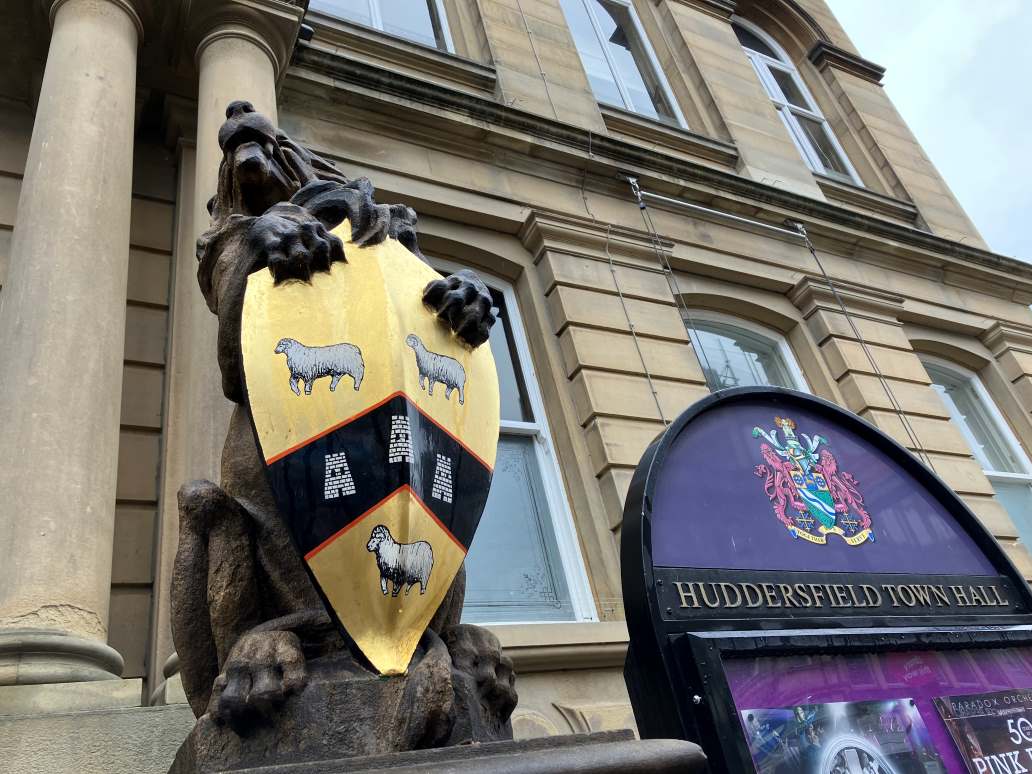
The proposals are due to be considered at a full council meeting at Huddersfield Town Hall on Wednesday October 21.
But there is a chance they won’t even be debated.
Council meetings normally run from 5.30pm to 9pm unless councillors agree to extend them. At September’s meeting, six motions went unheard because time ran out.
Reform’s motion is the last item on next Wednesday’s agenda.
Kirklees declared a climate emergency in January 2019 and later set a target to become a ‘Net Zero and Climate Ready Kirklees’ by 2038.
The aim is to cut greenhouse gas emissions while preparing communities for the effects of climate change, including extreme weather and flooding.
Reform argues that the council should concentrate on essential services, affordability and value for money rather than voluntary climate targets.
Its motion calls for the 2038 target to be dropped, along with targets for cutting carbon emissions.
It also wants a review of climate-related spending on transport, council vehicles, housing, energy projects, woodland schemes, grants and staffing.
Major council policies would be rewritten to reflect the change in direction.
Reform insists the council should continue tackling air pollution, improving recycling, maintaining parks and protecting communities from flooding.
But it wants tighter checks on spending. Projects such as solar panels, heat pumps and other energy-saving measures would have to demonstrate that they were affordable and offered good value for money over their lifetime.
The motion states: “An emissions saving alone must not justify discretionary expenditure.”
Flood prevention schemes would also need evidence of previous flooding or a clear local risk.
Reform wants to end discretionary climate campaigning, carbon offsetting and plans for climate bonds which allow local people to invest money in environmental projects.
The council’s budget, approved in February, included £50,000 to set up climate bonds and £1m for renewable energy projects in 2027/28. The intention was for energy savings to cover the financing costs.
But Reform’s motion does not say how much money its proposals would save.
Instead, it wants senior finance officers to work out the savings, taking account of possible costs such as ending contracts, repaying grants and losing outside funding.
The motion calls for a fully costed plan within three months, major policy changes within six months and changes within the council’s control to be put into effect within a year.
It also proposes abolishing the Environment and Climate Change Scrutiny Panel, with its responsibilities transferred to the Growth and Regeneration Scrutiny Panel. This would need further approval.

The Green Party, which is the second largest group on the council with 12 councillors, has strongly criticised the proposals.
Green group leader Clr Andrew Cooper (Netherton and Newsome, pictured above) said scrapping the declaration would do nothing to stop climate change or its effects on Kirklees.
He said: “Reform councillors may remove the council’s declaration of a climate emergency but that won’t address the extreme heat, flooding and excess rain we are experiencing in Kirklees. Man-made climate change is real, it is happening now and it is getting worse.”
Clr Cooper rejected Reform’s argument that money was being diverted from essential council services to projects aimed solely at cutting carbon emissions.
He said Reform had failed to provide a single example to support that claim.
He also questioned the proposed new checks on solar panels and heat pumps, arguing that council investments already had to show they were affordable and offered good value for money.
He said renewable energy could be cheaper than fossil fuels when the costs were considered over the lifetime of a project.
Clr Cooper was particularly critical of plans to abandon climate bonds, which he said could help schools and other council buildings cut their energy bills.
Under such schemes, local people invest money in projects and receive a financial return, while councils benefit from lower energy costs.
Clr Cooper said Kirklees’ proposed scheme would have paid for itself through energy savings.
He also opposed scrapping the Environment and Climate Change Scrutiny Panel, pointing out that its work went well beyond climate issues.
He said: “Reducing the number of panels to three will mean the Reform administration will be subject to less scrutiny. Maybe that’s the real intention here.”

Liberal Democrat group leader and Lindley councillor Anthony Smith (pictured above) also condemned the proposals, warning that abandoning the climate emergency declaration could prove costly for taxpayers.
He said: “Reform’s motion to undeclare the climate emergency is a dangerous, backwards step that will cost Kirklees taxpayers dearly. You cannot rewrite physical reality simply by deleting the word ‘climate’ from council documents.”
The Liberal Democrats want more investment in home insulation, flood defences and cleaner air.
Clr Smith added: “We will fight this motion every step of the way.”
Even if councillors approve Reform’s proposals, existing contracts, grants and council policies would not automatically be cancelled.
Each would need to be reviewed and changed through the proper process.
The council would still have to meet its legal duties on air quality, waste, biodiversity and planning. Environmental projects could not be rejected simply because they also helped cut carbon emissions.
Kirklees’ 2038 net-zero target is a local commitment and is separate from the UK Government’s legally binding 2050 target, which the council cannot overturn.
Reform-led councils elsewhere in West Yorkshire have already taken similar action.
Wakefield Council overturned its climate and biodiversity emergency declarations in June this year.
Calderdale followed in September, scrapping its climate emergency declaration and ordering a review of related spending and staffing.
Clr Wood was contacted for comment.



